
Which dust extractor: L, M and H-class explained
What the class letter means, which one concrete dust calls for, and how to match the extractor to the tool.
Concrete Care. Last updated 2026-11-11.
Choose the class for the dust, then match the airflow and hose to the tool. Last, check where the dust goes when the machine is full. The machines are in Industrial vacuums & dust extractors, and hoses and adaptors in Hoses, nozzles & vacuum accessories.
What the letters mean
L, M and H are dust classes from EN 60335-2-69, Annex AA. A class rates the whole machine: how harmful a dust it may collect, and how little of that dust it may let back out. IFA, the German social accident insurance institute for occupational safety, sets the three out like this.
L-class is for dusts with an exposure limit above 1 mg per cubic metre, and the machine lets through under 1 per cent. M-class is for limits of 0.1 mg per cubic metre or more, with under 0.1 per cent let through. H-class is for limits below 0.1 mg per cubic metre and for carcinogenic, mutagenic or reprotoxic dusts, with under 0.005 per cent let through. For H, IFA adds that the penetration of the filter element "when ready for use" is also tested, not only the filter material.
Which class for concrete dust
Cutting, grinding and drilling concrete, stone and brick give off respirable crystalline silica (RCS). In Ireland the limit is 0.1 mg per cubic metre over 8 hours, set in the HSA's 2026 Code of Practice, in operation from 2026-04-09. The same Code lists work that generates RCS as a carcinogenic process, in Schedule 4.
The HSA's construction silica sheet asks for on-tool extraction when cutting, drilling or chasing, water suppression where possible, wet and dry vacuums with a HEPA filter to gather up dust and damping down before cleaning. For its 2025 silica inspection campaign the HSA said controls "may include water suppression, on-tool dust extraction, containment methods" and RPE, and its 2026 all-island campaign lists the same kinds of control.
The Irish regulations and the HSA 2026 Code name no dust class, and neither do the HSA's construction silica sheets. The one HSA document we found that does is a further-education chemicals sheet, which says to vacuum up dusts "using an M or H class vacuum".
UK HSE guidance is clearer. For on-tool extraction of construction dust it says to "choose an H (High) or M (Medium) class unit", and that an L-class unit "is only suitable for lower-toxicity dusts like gypsum in plasterboard".
Our reading, since the Irish regulations and the 2026 Code name no class: M-class is the least to put on concrete dust, because UK HSE says H or M. RCS work is on the Irish Code's list of carcinogenic processes and IFA places carcinogenic dusts in H, so H-class is the step up where the exposure or the job calls for it.
A HEPA filter does not turn an ordinary vacuum into an M-class or H-class machine.
Concrete dust:M-class at least.H where the jobcalls for it.
Match the extractor to the tool
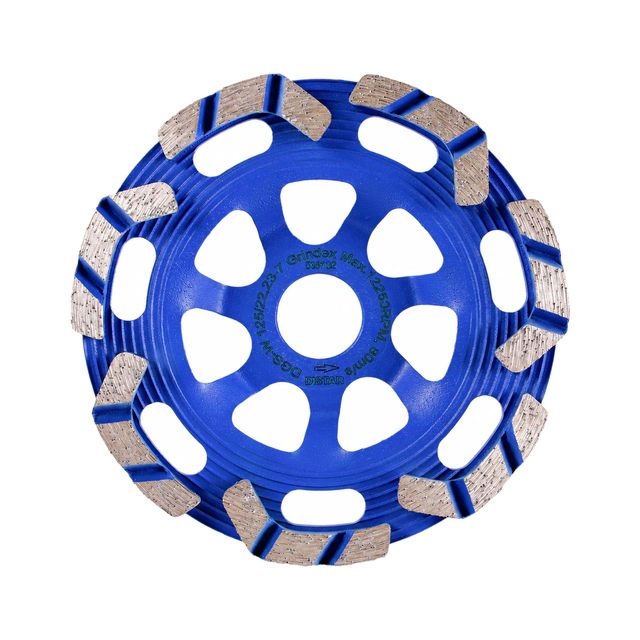
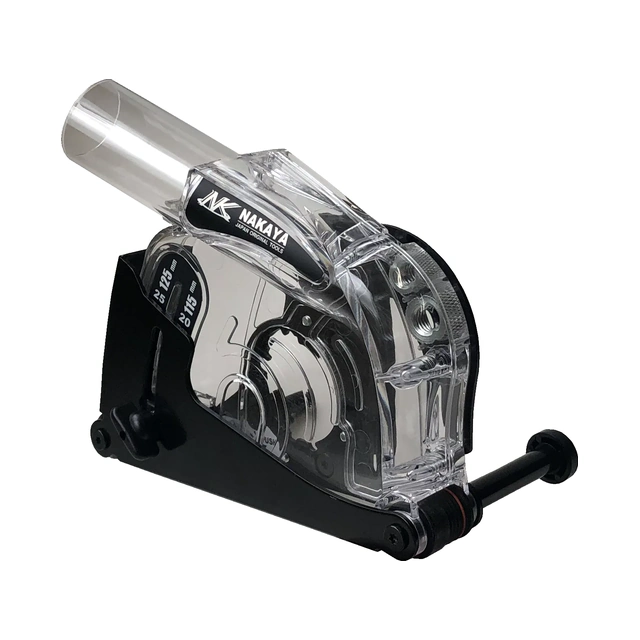
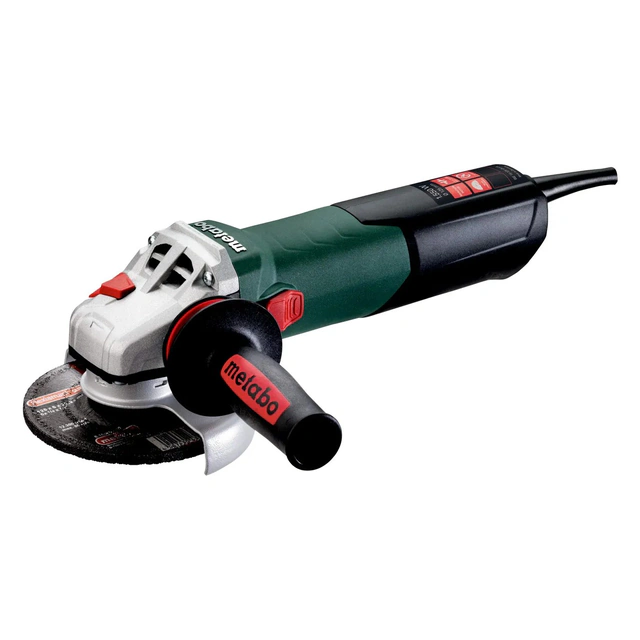
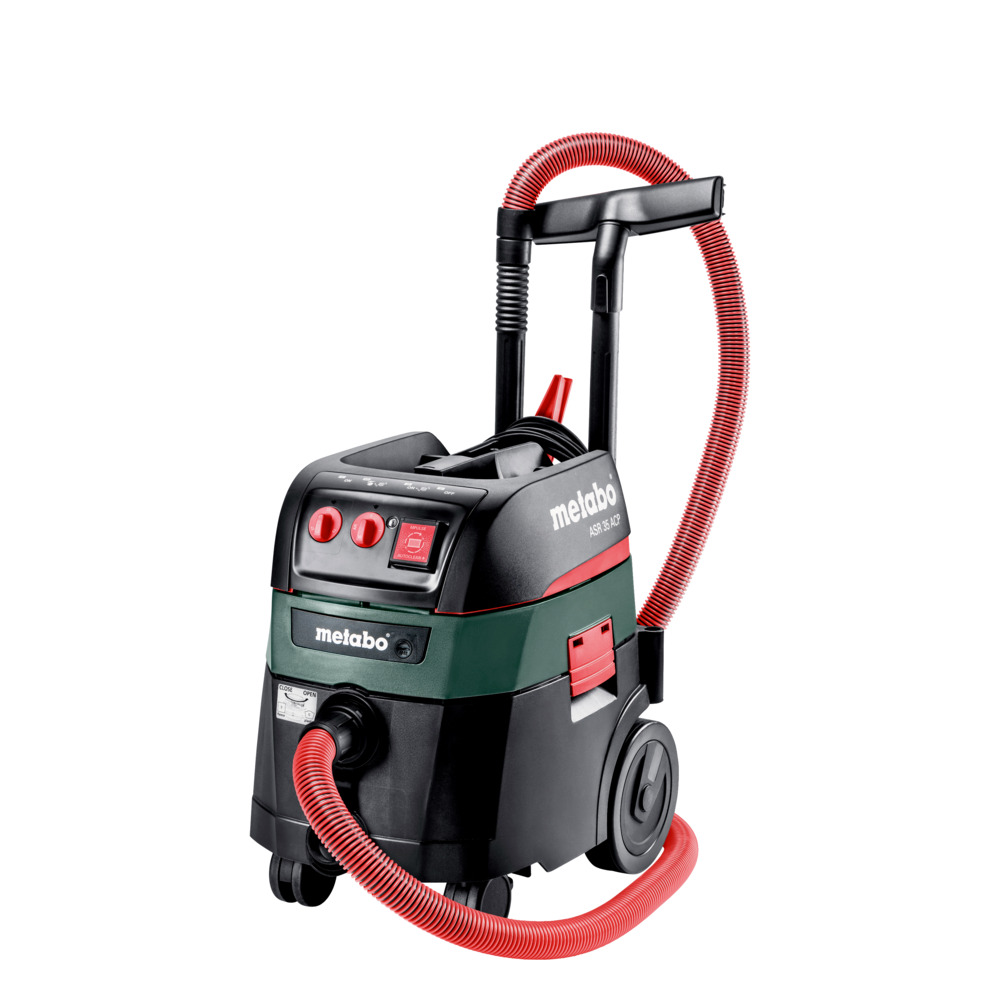
Hand-held work means a grinder with a shroud, a wall chaser or a dry core drill, each on a hose to the extractor. The Metabo ASR35MACP 1400 W M Class Dust Extractor is built for that work, and Metabo certifies it for M-class dust. It has a 35 mm suction hose, a power tool socket that starts and stops the extractor with the tool, AutoCleanPlus automatic filter cleaning and a 35 L container. Metabo gives a maximum air output of 4,380 L/min, about 263 cubic metres an hour, and a vacuum of 270 hPa. Shrouds are in Dust shrouds and skirts.
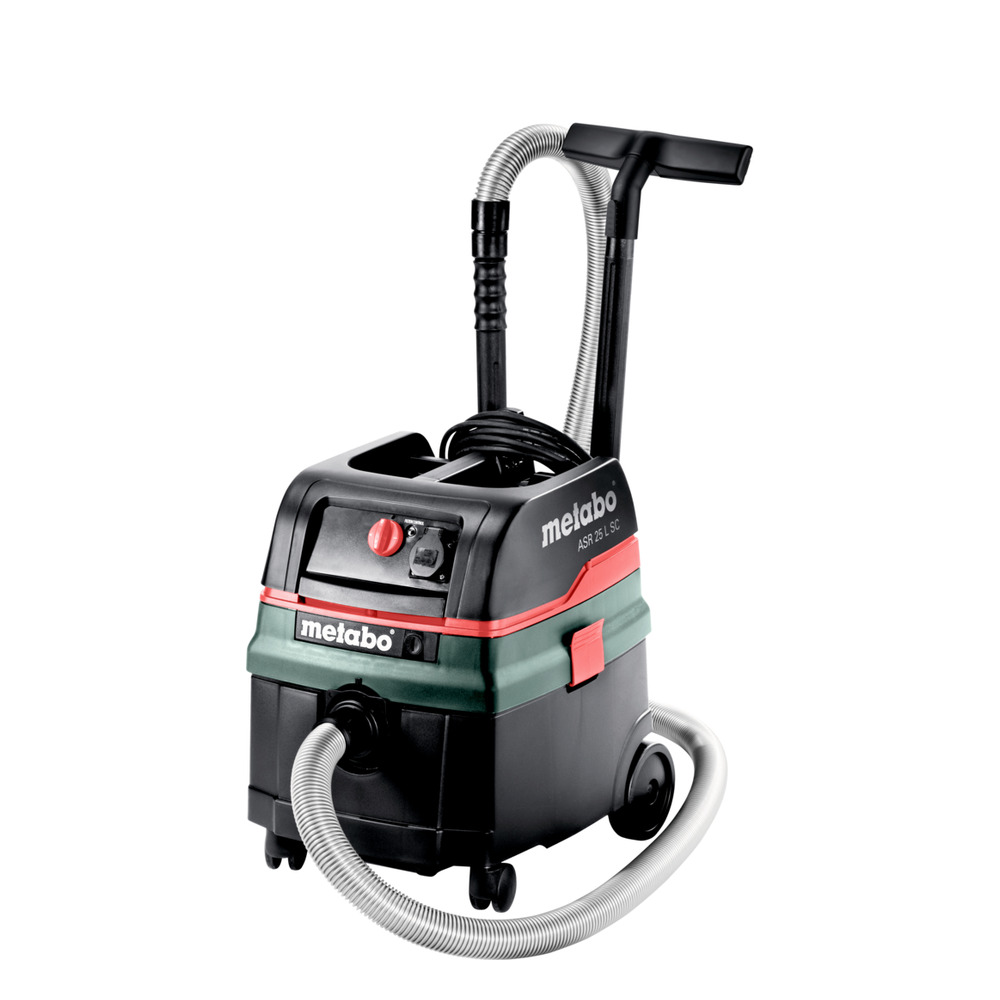
The Metabo ASR 25 L SC 1400 W L Class Dust Extractor is the L-class machine: a 25 L container, the same 35 mm hose and power tool socket, and SelfClean, "semi-automatic filter cleaning during breaks". Use it for plasterboard and general clean-up, not concrete dust.
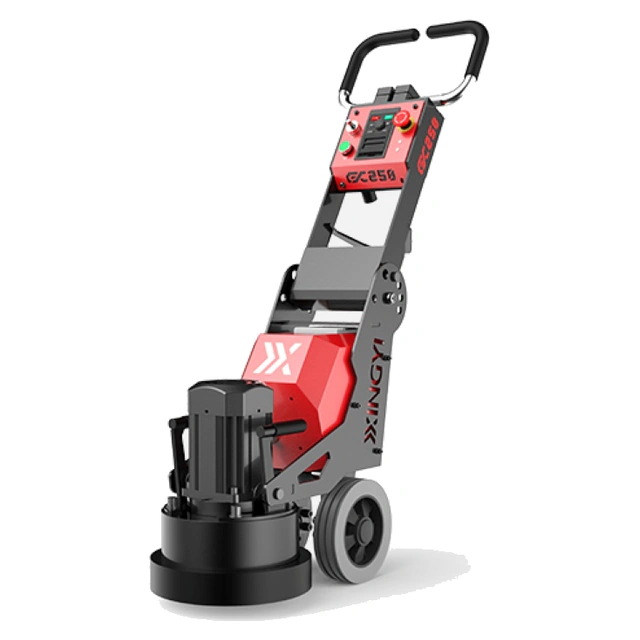
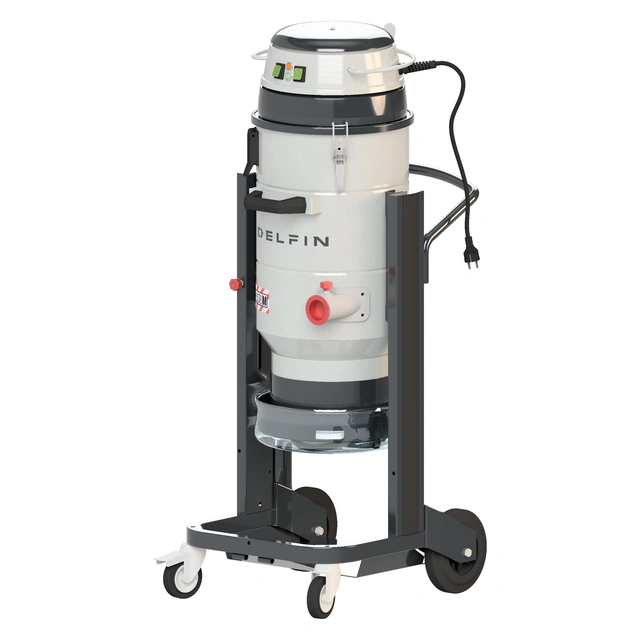
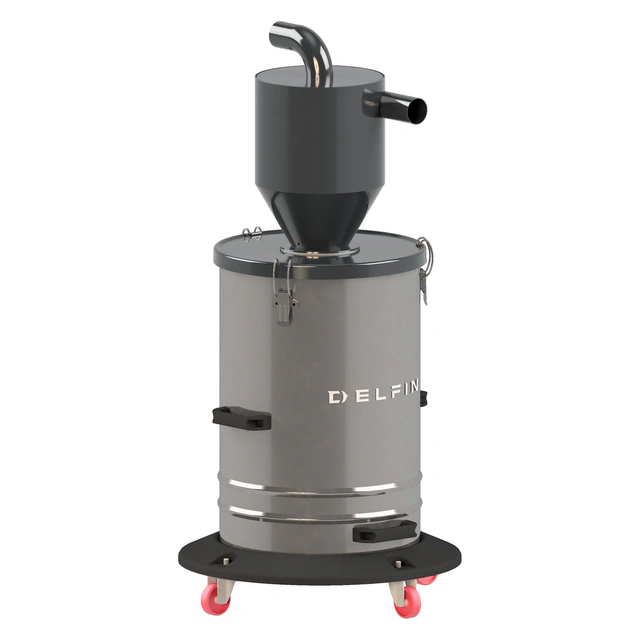
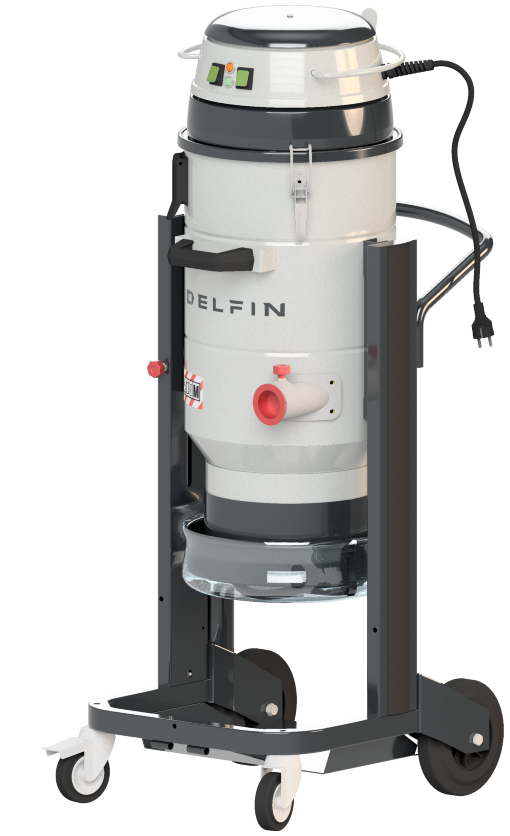
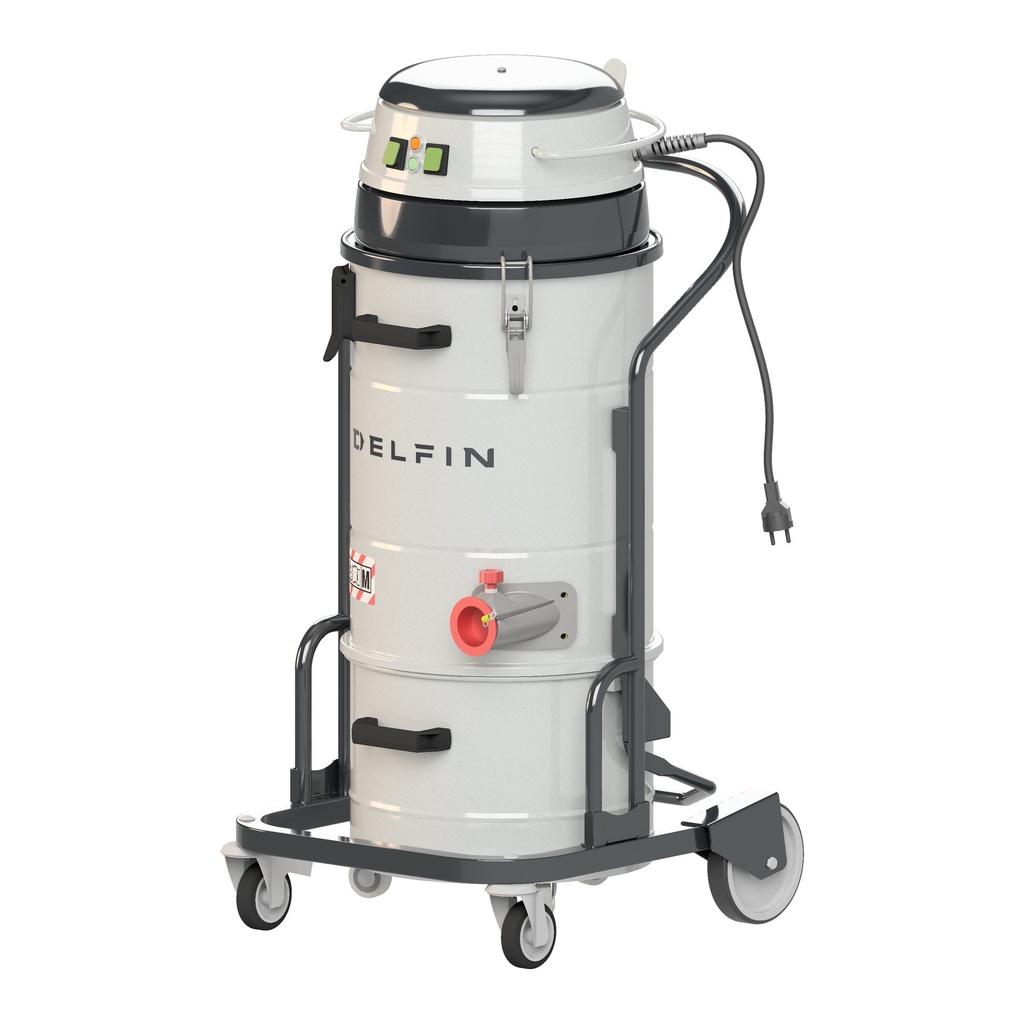
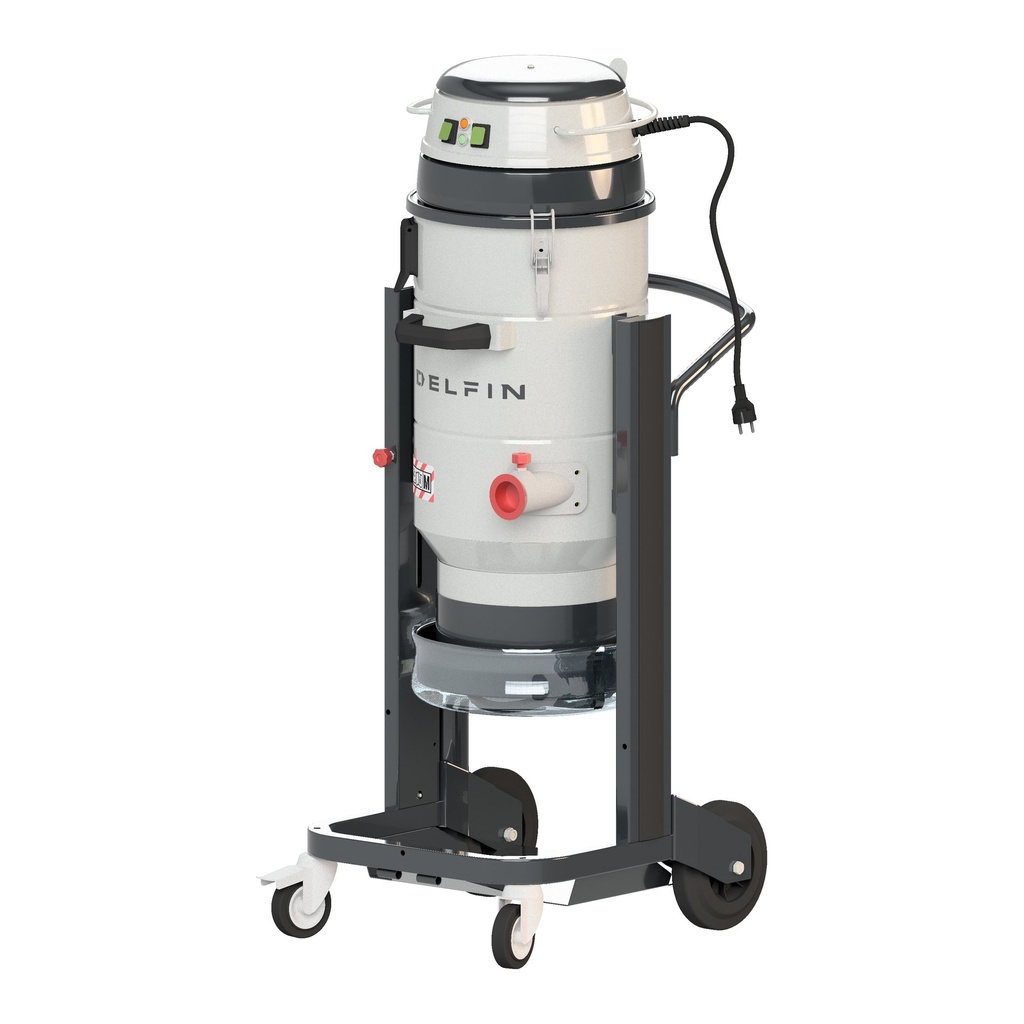
Floor grinders run on bigger machines with a 50 mm or 80 mm inlet. The Delfin MTL 301 Industrial Vacuum has a maximum airflow of 180 cubic metres an hour through a 50 mm inlet, the Delfin MTL 202 DS Industrial Vacuum Cleaner 360 cubic metres an hour through 50 mm, and the Delfin DM3 EL Clear-Aut Industrial Vacuum Cleaner 540 cubic metres an hour through 80 mm. Delfin's datasheets give all three an M-class primary filter.
No maker we stock, and no Irish or EU regulator, publishes an airflow figure for each grinder size. Take the figure from the grinder's manual and set it against the extractor maker's figure; ask us if the two are given in different units.
UK HSE asks for tubing of the right construction, diameter and length for the work and the extraction unit, fitted securely to the hood and the unit, with "an adaptor if needed, not tape". Our advice at the counter: keep the run as short as the job allows, at the full size of the extractor's inlet. Hoses and adaptors are in Hoses, nozzles & vacuum accessories.
Keep the air moving
Fine concrete dust blinds a filter, and as it blinds, the airflow at the tool drops. UK HSE puts it plainly: "Lots of fine dust can quickly clog filters. Choose units with pre-filters, built-in 'back-flushing' filter cleaning mechanisms or similar devices."
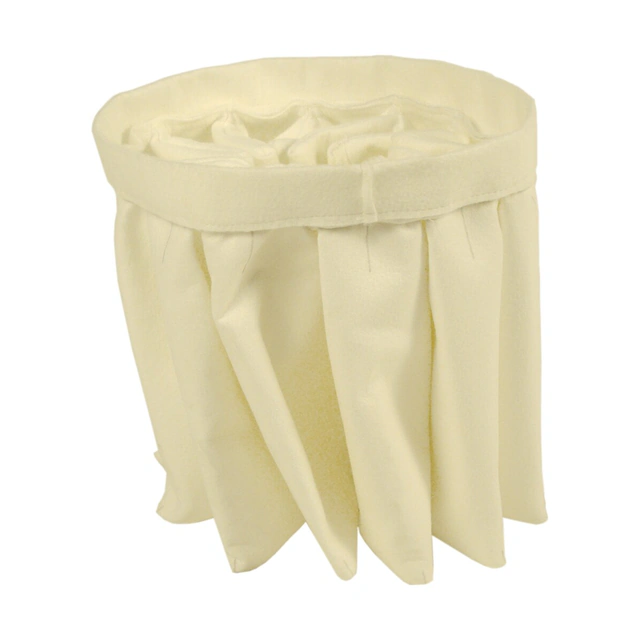
The machines here clean their filters in three ways. The ASR 25 L SC has SelfClean, which is semi-automatic and run during breaks. The ASR35MACP has AutoCleanPlus, which cleans the filters automatically while it runs. The Delfins use Dustop, which on the MTL 301 is worked by lifting a flap on the filter chamber, and the DM3 EL Clear-Aut adds the automatic ClearAut system.
M-class and H-class machines carry a low-flow warning. UK HSE says they "are fitted with low-flow indicators".
On a floor grinder, a pre-separator takes the load off the filter. It sits in the hose between the grinder and the extractor. The HTG Cyclone Pre-Separator spins the coarse dust and debris out of the airflow before it reaches the extractor's own filter. Sellers publish capture figures for pre-separators, but we found no independent test of them, so none is quoted here. The range is in Pre-separators.
Where the dust goes
Emptying is when the dust gets out. A bin has to be lifted off and tipped; an endless bag keeps the dust inside the bag. UK HSE asks for the unit to be emptied regularly into the correct disposable waste bags, sealed and put in the right waste container.
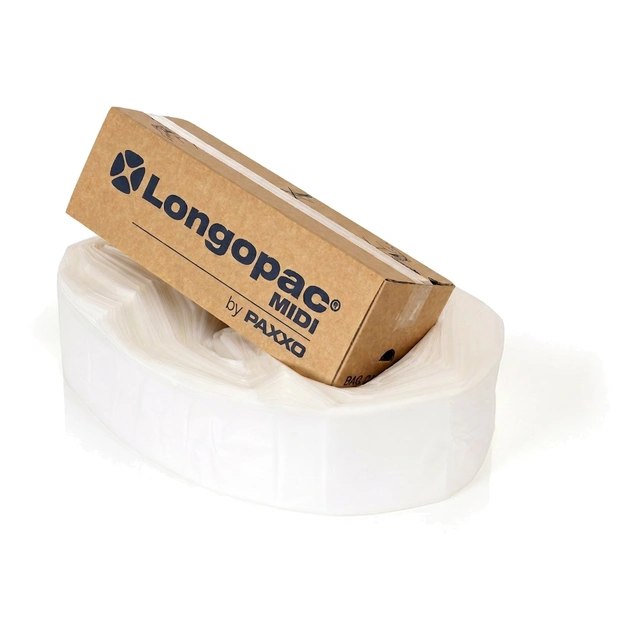
The Delfin MTL 202 DS LP Industrial Vacuum Cleaner is the endless-bag version of the MTL 202 DS: the same 360 cubic metres an hour through a 50 mm inlet, with a 20 m Longopac roll in place of the 20 L container. Delfin describes each emptying as sealed off in the bag, without contact between the operator and the dust.
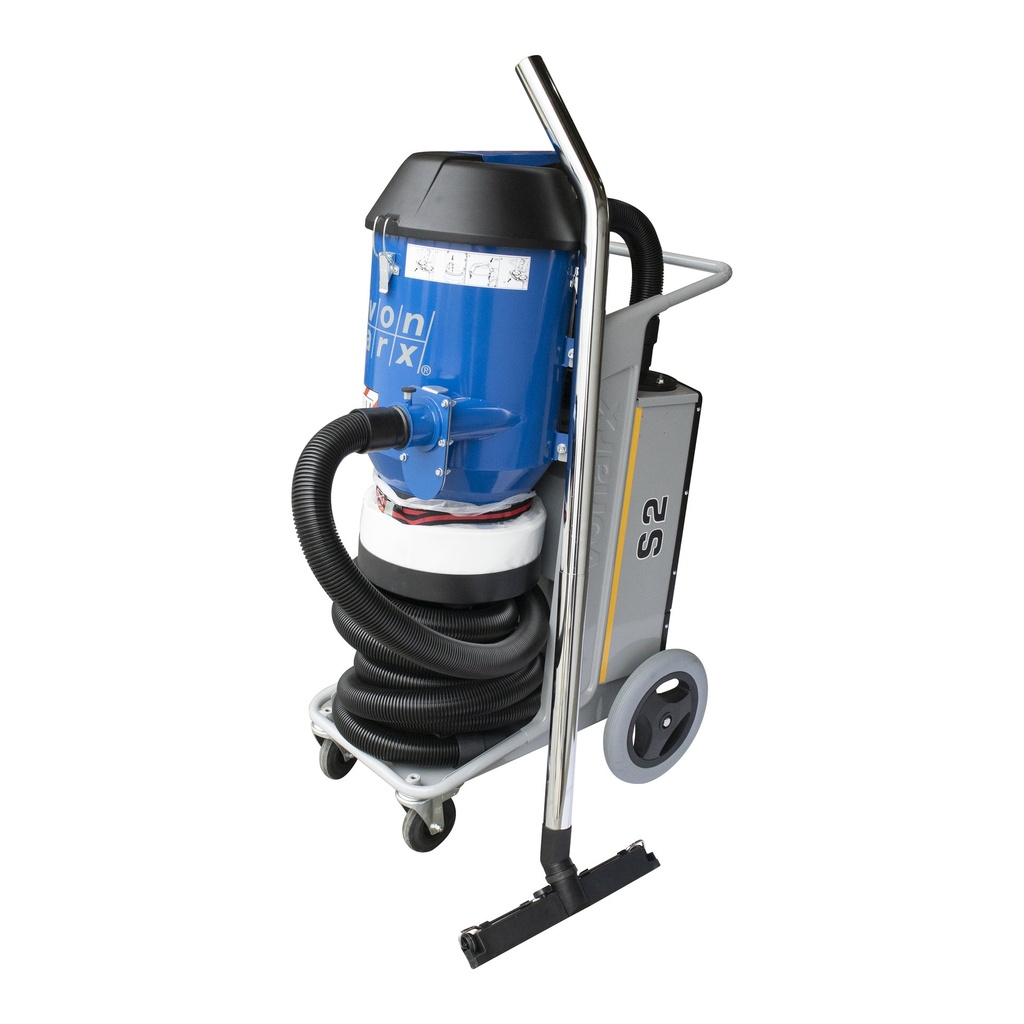
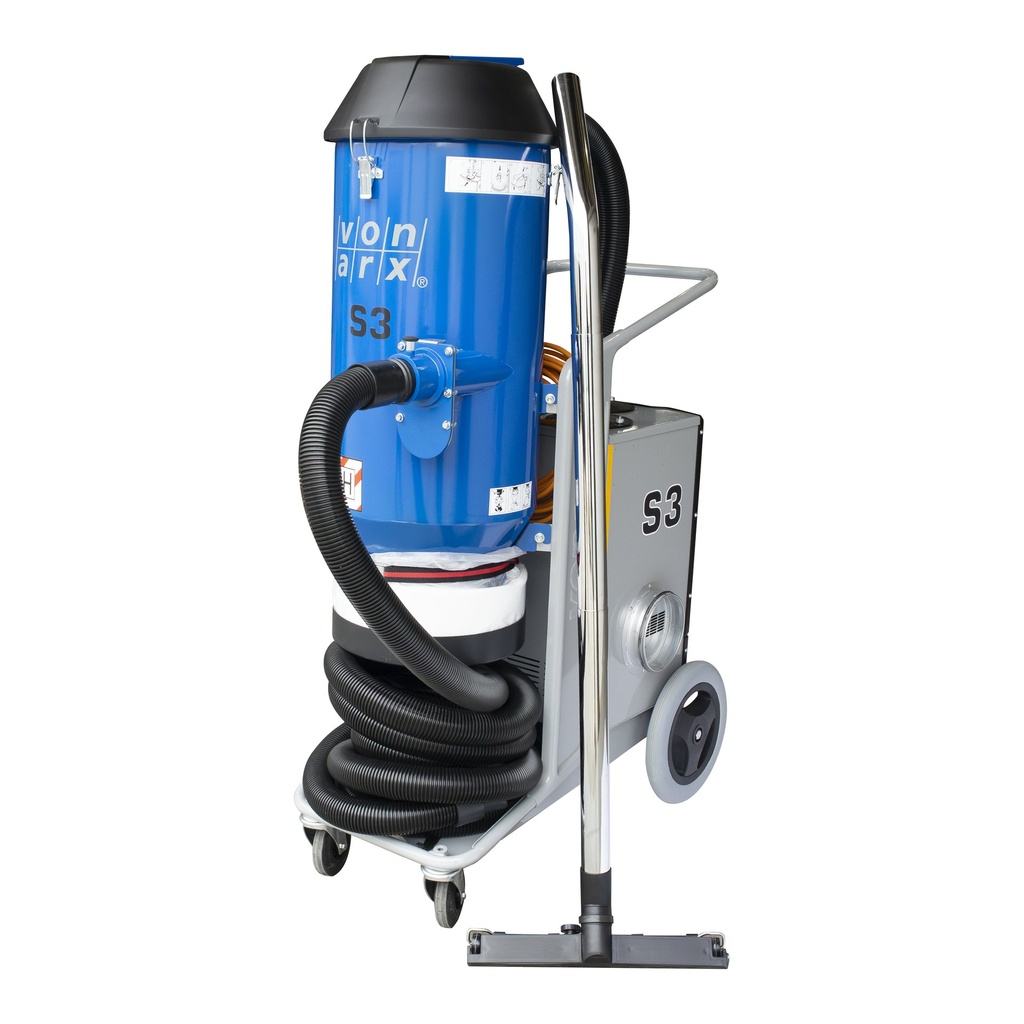
The S2 Vacuum Hepa, S3 Vacuum Hepa and T6 Dust Extractor Hepa also collect into Longopac. Von Arx lists HEPA H13 filters and jet pulse filter cleaning on all three, with airflows of 400 and 600 cubic metres an hour for the S2 and S3 at 230 V, and 630 cubic metres an hour for the T6 at 400 V. Longopac bags are in Longopac & bagging systems.
On an H-class machine, Metabo's manual says emptying, maintenance and disposal "must only be carried out by qualified specialists wearing appropriate protective clothing and equipment".
Wet work and slurry
Of the machines in this guide, the product pages list the two Metabos for wet and dry pick-up, with an automatic shut-off once the tank fills with liquid. Do not run water or slurry through any extractor its maker does not list for wet pick-up.
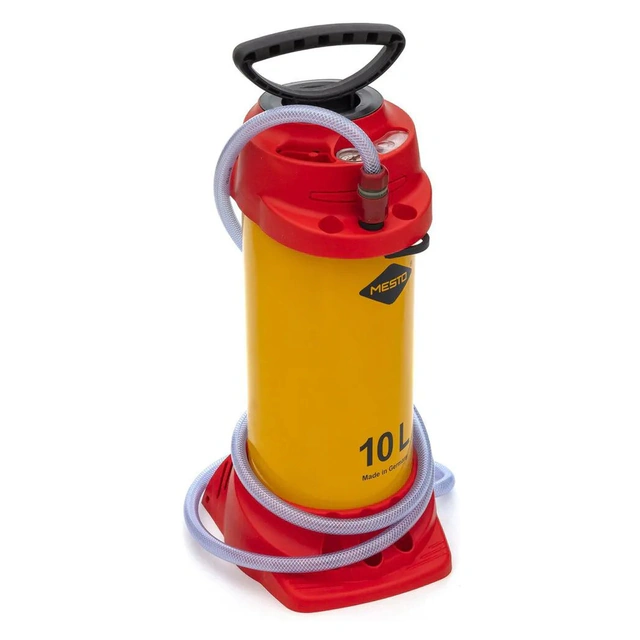
Water suppression is the other control the HSA names, "where possible (non-electric tools) e.g. concrete saws". The Dart Red Ten Dust Suppression Water Bottle 12 L fits most radial cut-off machines, and the Profi H2O 10 Water Tank is a pressurised 10 L tank for a water supply on site with no mains connection. Both are in Dust containment & site protection.
Power on site
Check the supply before you order. Every extractor named in this guide except the T6 is listed in 110 V and 220 to 240 V versions. By the makers' figures at 230 V, the MTL 301 draws 5 A, the MTL 202 DS 10 A and the S3 Vacuum Hepa 16 A. The T6 Dust Extractor Hepa is three-phase: Von Arx gives 400 V; our listing gives a 32 A 5-pin plug.
Asbestos is not an extractor job
Asbestos work in Ireland needs a permit number from the HSA before it starts, under reg. 11(1)(a)(iv) of S.I. No. 386 of 2006 as amended, including by S.I. No. 632 of 2025. An extractor of any class is no way round that, and Metabo's own manual says "Dust containing asbestos must not be vacuumed." If a coating, board or tile could contain asbestos, stop and have it tested before any grinding, drilling or cutting.
Asbestos:stop and test.No extractorgets round it.
Look after it
The HSA's Local Exhaust Ventilation Guidance (January 2014) recommends a thorough examination of an LEV system at least every 14 months, or more often if the manufacturer recommends it. It is guidance, not a regulation, and it does not say whether a portable extractor counts as an LEV system. Follow the maker's service schedule where it asks for more.
UK HSE asks for a formal maintenance check at least once a week. Day to day, our advice is not to work on with the low-flow warning showing, to empty the machine before it is full and to check the hose for splits and loose ends.
Which extractor for the job
Find the job, then read across to the class and the machine.
| Job | Dust | Class | From our range |
|---|---|---|---|
| Plasterboard, general clean-up with no concrete or hardwood dust | Gypsum and other lower-toxicity dusts | L | Metabo ASR 25 L SC |
| Hand-held grinding with a shroud, chasing, dry core drilling | Concrete, stone and brick (RCS) | M | Metabo ASR35MACP |
| Small and edge floor grinders | Concrete (RCS) | M | Delfin MTL 301, Delfin MTL 202 DS |
| Floor grinding, long runs | Concrete (RCS) | M | Delfin MTL 202 DS LP, Delfin DM3 EL Clear-Aut |
| Larger and three-phase floor grinders | Concrete (RCS) | M at least, H where the job calls for it | Industrial vacuums & dust extractors; ask us for the pairing |
| Dust that calls for H-class | Carcinogenic dusts, or a limit below 0.1 mg per cubic metre | H | Tell us the dust and the job |
For the Delfin machines, the class shown is the one Delfin's datasheet gives the primary filter under IEC 60335-2-69.
L-class is not a wood-dust machine either: Metabo's manual says an L-class unit is "not appropriate for reducing wood dust in inhaled air".
Buy or hire
For a one-off job, dust extraction is on our hire fleet, with M-class and H-class vacuums listed. To buy, or to check a pairing before you order, ring the counter on 01 889 9000 or send us the job.
Pick the classfor the dust,then the machinefor the tool.